The ZIP File Contains I m a Mom: A Designer Review
As someone who has spent years navigating the intersection of digital design and physical stitching, I approach every new asset with a mix of excitement and skepticism. When I first opened The ZIP File Contains I m a Mom, my goal was simple: determine if this graphic could transition smoothly from a screen to a high-quality stitched finish. In the world of custom apparel and handmade goods, a design that looks good in a preview often fails under the needle. This review breaks down how this specific file set performs when you move beyond the mockup and into real-world production.
First Impressions and Visual Personality
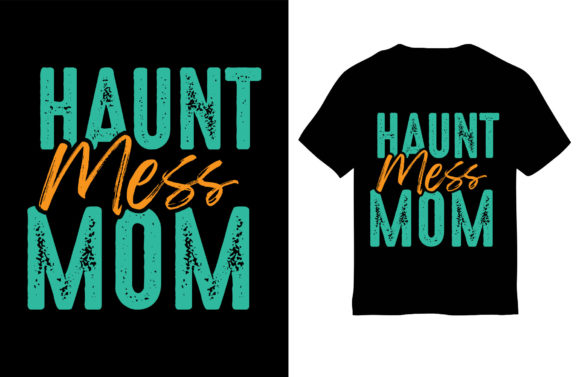
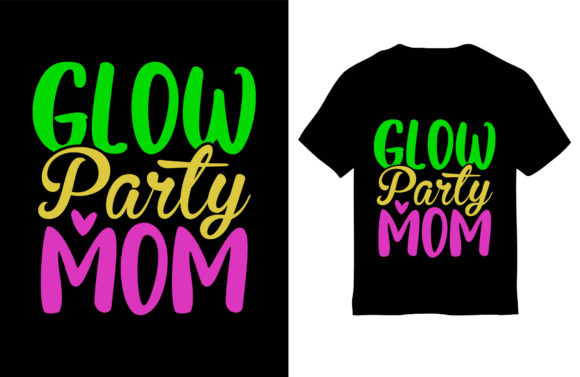
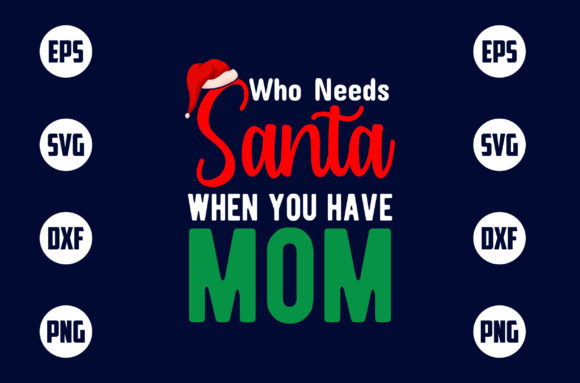
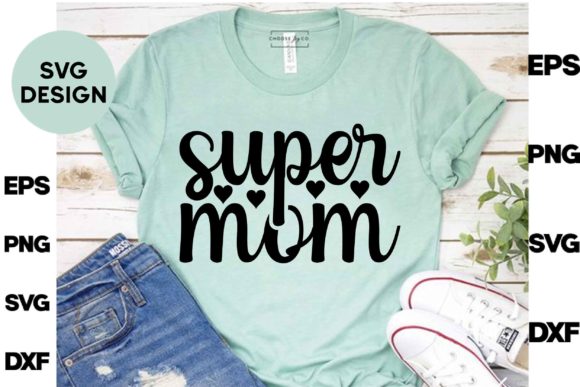
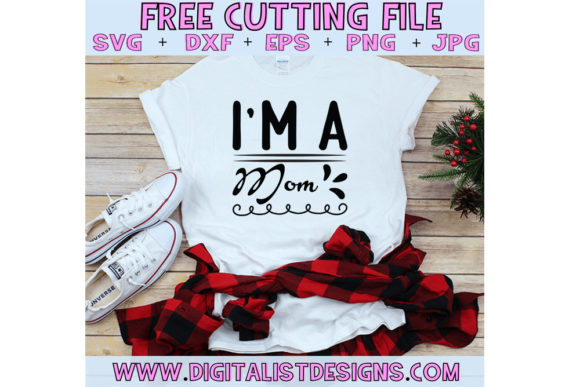
The moment I extracted the files, the versatility became apparent. The inclusion of EPS, SVG, PNG, and DXF formats suggests a robust foundation for various applications, from vector manipulation to direct machine input. Visually, the "I m a Mom" concept is timeless, but its execution defines its success. The layout feels balanced, avoiding the clutter that often plagues text-heavy designs. For an embroidery project, negative space is just as critical as the stitch itself. The shape of the lettering and any accompanying graphics in The ZIP File Contains I m a Mom appear to have clean lines, which is essential for maintaining legibility after digitization.
This design exudes a warm, approachable mood suitable for a wide range of demographics. It isn't overly ornate, making it a strong candidate for everyday wear rather than formal ceremonial wear. As a designer, I appreciate assets that do not demand excessive editing to fit a client's brand or aesthetic. The visual personality here is straightforward and affectionate, perfect for the emotional resonance required in personalized gifts.
Real-World Application: The Custom Tote Bag Scenario
To truly test the utility of The ZIP File Contains I m a Mom, I imagined a specific scenario: preparing a batch of canvas tote bags for a local craft fair. These bags are destined for mothers attending a community event, serving as both a practical item and a statement piece. In this context, the design needs to stand out against the textured weave of natural canvas without getting lost in the fabric grain.
When visualizing the tote bag design, the clarity of the vector files becomes crucial. If the lettering is too thin, the satin stitch might collapse on the coarse fabric. However, the boldness suggested by the graphics in this package seems promising. I would likely opt for a slightly larger hoop size to ensure the stitches lay flat and secure. The result would be a finished product that feels professional and durable, encouraging customers to carry their items proudly. This level of quality directly impacts buyer engagement and trust in your small shop product line.
Navigating Fabric Textures and Stitch Density
While the design shines on sturdy cottons like those used for tote bags or sweatshirts, we must consider where caution is needed. Embroidery on stretchy fabrics, such as jersey knit t-shirts, requires careful attention to stabilizer choice and stitch density. The ZIP File Contains I m a Mom contains elements that could become distorted if the fabric stretches during the stitching process. Using a cutaway stabilizer is non-negotiable here to prevent puckering.
Similarly, dark fabrics present a unique challenge. While the PNG previews might show the design clearly, the actual thread colors need to contrast sharply with the background. If the original design relies on light fill stitches, they may disappear on navy or black garments. I always recommend testing the design on scrap fabric first, especially when switching between light and dark backgrounds. Checking the thread colors against the fabric texture ensures that the final embroidered patch or apparel decoration pops rather than blending in.
Challenges with Small Hoop Sizes and Tiny Details
One area where designers must exercise judgment is scaling. If you attempt to shrink The ZIP File Contains I m a Mom to fit a tiny cap brim or a baby onesie sleeve, the integrity of the text can suffer. Tiny lettering often results in a dense cluster of stitches that can cause fabric tension issues or simply look muddy. For baby embroidery projects, simplicity is key. I would advise against reducing the font size below a certain threshold unless you are willing to manually edit the digitized file to reduce stitch count and simplify curves.
Curved surfaces, like the crown of a hat, also require strategic placement. The straight lines of the text might warp if not aligned correctly with the panel seams. Always inspect small details before committing to a commercial run. A design that works perfectly on a flat pillow cover might struggle on a curved surface without adjustments.
Strategic Use for Craft Businesses and Etsy Sellers
For the Etsy seller or small business owner, time is currency. Having a ready-to-use machine embroidery design like this one accelerates production. The variety of file formats included means you aren't limited to just one machine type. Whether you are using a domestic hobbyist machine or an industrial multi-head setup, the DXF and EPS files provide flexibility. This adaptability allows you to expand your catalog quickly, offering everything from holiday embroidery specials to year-round nursery decor.
However, remember that the value of your handmade product extends beyond the design itself. It lies in the presentation. A well-stitched version of The ZIP File Contains I m a Mom elevates a generic sweatshirt into a boutique item. Customers paying for custom apparel expect precision. If the stitch density is too high, the fabric might pucker; too low, and the backing shows through. Balancing these factors ensures your brand consistency remains intact.
Practical Designer Notes for Success
Before integrating this graphic into your workflow, follow these practical steps to ensure a flawless outcome:
- Test on Scrap Fabric: Never skip the test run. Stitch the design on a piece of the actual fabric you plan to use to check for tension and alignment.
- Review Stitch Density: Inspect the digitized file to ensure there are no areas that are overly dense, which can lead to stiff patches on soft garments.
- Confirm Hoop Size: Ensure your hoop can accommodate the design dimensions without cutting off corners or distorting the text.
- Check Licensing: While the file formats are versatile, always confirm whether the license permits selling finished items or if it is restricted to personal use only.
- Use Proper Stabilizer: Match the stabilizer weight to the fabric type. Heavyweight denim needs different support than delicate silk.
- Compare Mockups: Create printable mockups in both black and white to visualize contrast before purchasing expensive threads.
Final Verdict on Commercial Viability
In conclusion, The ZIP File Contains I m a Mom offers a solid foundation for a variety of embroidery projects. Its strength lies in its versatility and clear visual structure, making it a reliable asset for creating custom apparel, personalized gifts, and small shop merchandise. While it requires careful consideration regarding fabric type, scale, and color contrast, these are standard challenges in the industry that any experienced decorator can manage.
By treating this digital embroidery file as a starting point rather than a final solution, you can tailor it to meet the specific needs of your clients. Whether you are producing a single holiday gift or a full line of branded tote bags, the potential for a high-quality finished product is significant. With proper preparation and attention to detail, this design can become a staple in your creative portfolio, delivering satisfaction to both the maker and the recipient.